


.png)


.jpg)


Landscaping expert for Ta’ Qali will cost €9,000
Information tabled in parliament shows A newly appointed expert advising on works at the Ta’ Qali picnic area stands to earn up to €9,000 • FOI had revealed gravelling had cost €311,000

2 February 2026, 7:02pm
Karl Azzopardi
Karl Azzopardi
2 min read
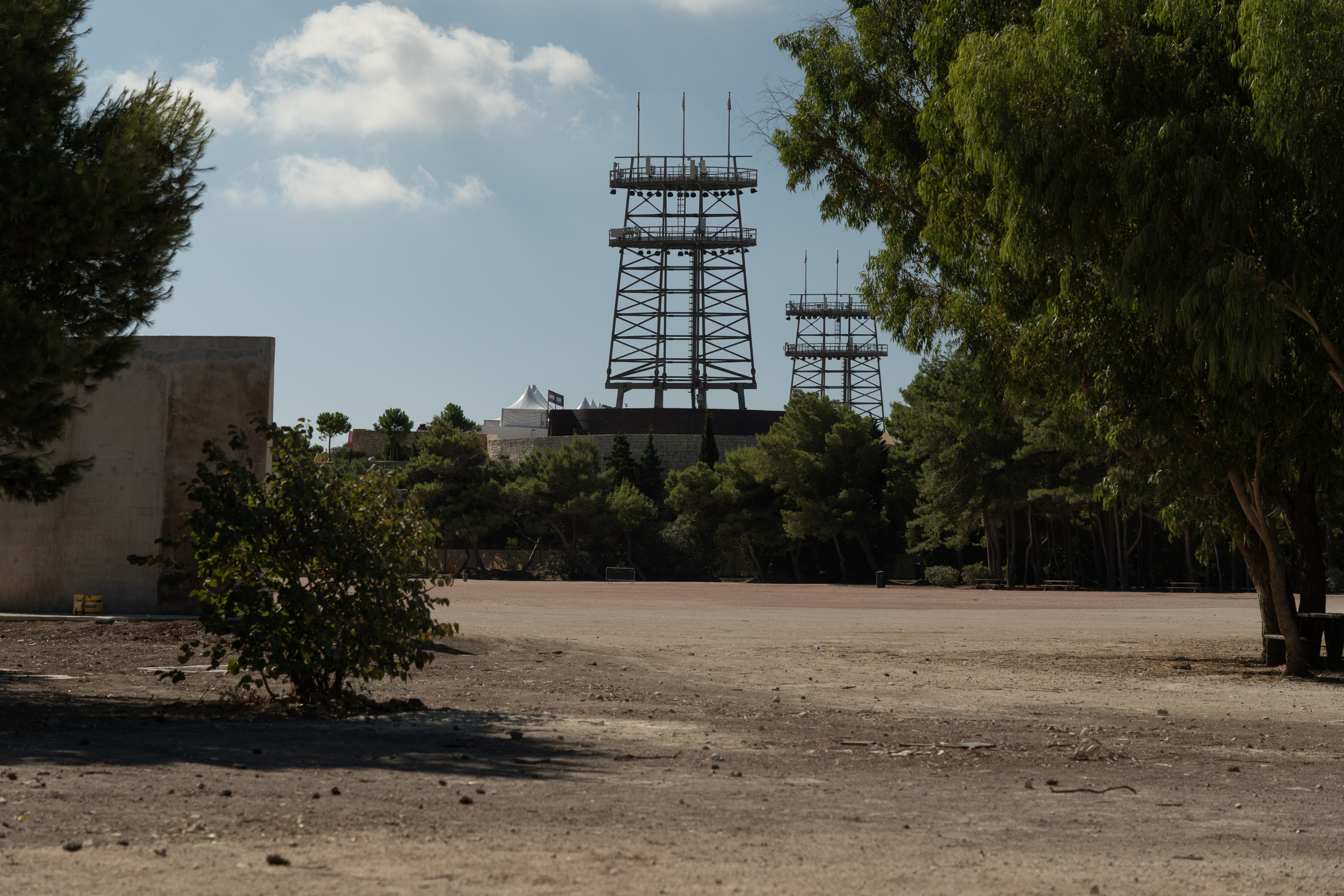
Ta' Qali picnic area (Photo: James Bianchi/MaltaToday)

A newly appointed expert advising on works at the Ta’ Qali picnic area stands to earn up to €9,000, excluding VAT, information tabled in parliament shows.
The information was given in reply to a parliamentary question by PN MP Rebekah Borg, who asked the government to identify the experts who provided advice both before and after gravel was laid over grass at the popular picnic site.
However, the minister’s reply made no reference to any expert advice sought prior to the intervention. It only mentioned an expert appointed after the works had already been carried out.
Public Works Minister Chris Bonett said Joe Schembri was appointed earlier this month to advise the ministry on landscaping matters related to the Ta’ Qali site. Bonett said Schembri has more than 20 years’ experience working on greening projects across Malta.
Schembri is being paid €50 per hour for a maximum of 180 hours, under a contract signed on 7 January 2026. The minister said the appointment was made in line with public procurement regulations.
Last September, people were up in arms when the Ta’ Qali family picnic area was covered in a blanket of sand and gravel to protect the soil underneath. That area had long been used as an events space, causing the soil underneath to clump up and making it hard for grass to grow.
The works were awarded directly to Bonnici Bros Ltd, with authorities citing procurement rule PPN 321b2, allowing a direct order because the contractor was “already carrying out works within the same area”. The documents also confirm that the material was imported from Greece.
Jason Micallef, who heads the Ta’ Qali park unit, insisted that this is a special material that will allow grass to naturally sprout again once the autumn and winter rains come. Despite promises the grass will grow by December, it did not.
Environmental concerns have been raised about the impact of the works, as well as questions over the decision-making process that led to the intervention.

Karl Azzopardi is Online Editor and an IGM press awards (Human Stories) winner of 2019