


.png)


.png)
.jpg)


_[photo_credit_-_lorella_castillo].jpg)
.jpg)


.jpeg)


Investigate Malta's 'housing cartel', demands Il-Kollettiv
NGO Il-Kollettiv has called on the government to investigate Malta's 'housing cartel' following the resignation of three MDA board members

6 April 2026, 3:20pm
Eva Brannon
Eva Brannon
3 min read
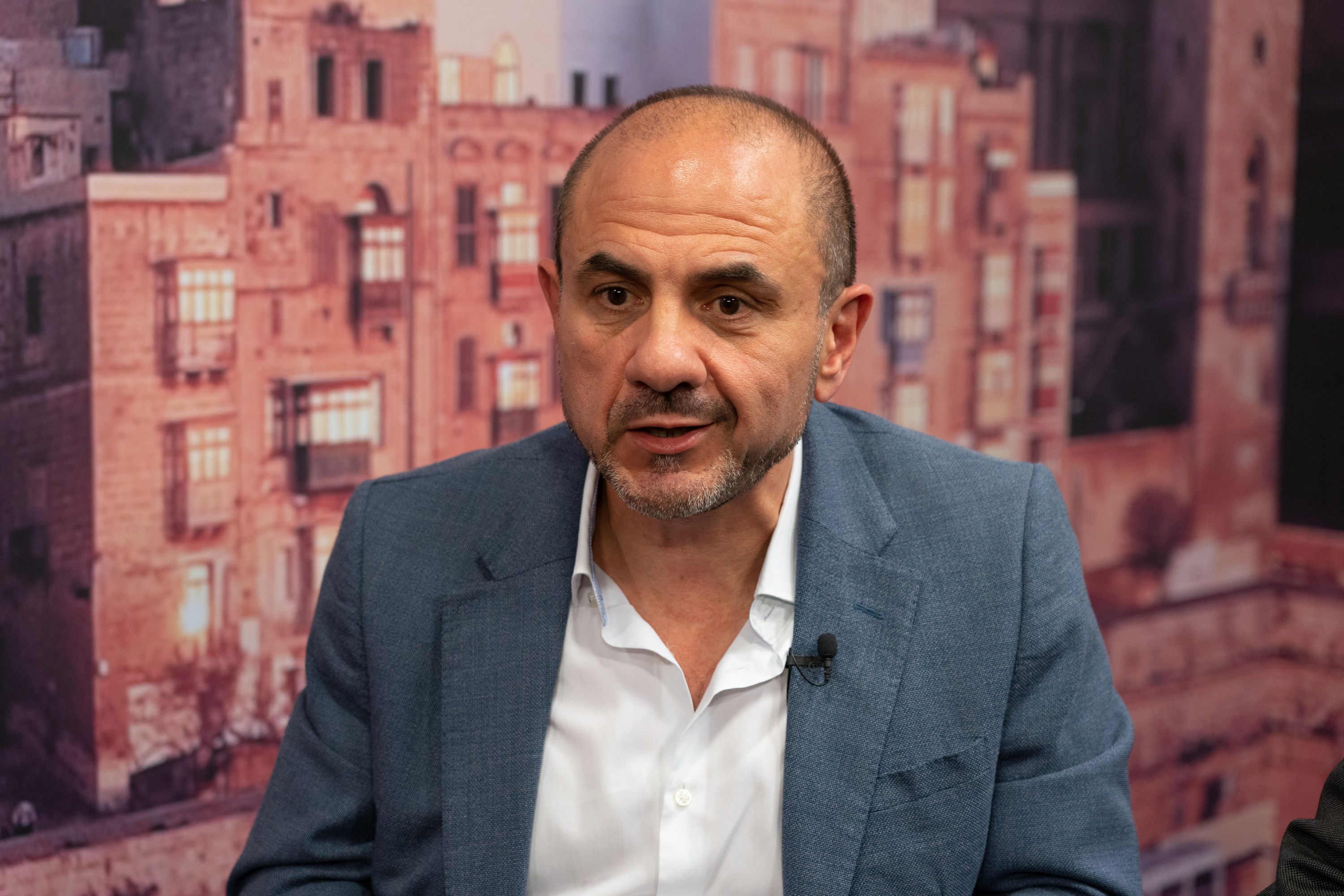
MDA President Michael Stivala

The public rift in the Malta Developments Association (MDA) is more than a disagreement between board members, it exposes an effort by the lobby to control property prices, according to Il-Kollettiv.
Their statment follows the resignation of three MDA board members last month.
Top MDA officials Anton Camilleri, Pio Vassallo, and Paul Attard resigned, reportedly in protest against the association’s decision to ask the European Commission to investigate the Affordable Housing Scheme.
“Out of so many grants and subsidies over the years, this is the only one which makes property affordable,” said il-Kollettiv secretary Wayne Flask, “that’s why the MDA found it so diabolical.”
Quoting NSO figures for the period between 2020 and 2024, Flask said that the population in Malta has increased by 11.5%, permits for new dwellings have risen by 15.2%, but property prices have gone up by 29%. By 2025, property prices continued to rise to 35%.
“It is clear that supply exceeds demand,” said Flask, “So why are prices going up?”
Il-Kollettiv explained that by incorporating the Federation of Estate Agents within its structure, the MDA has effectively established a monopoly on property pricing. The builders' lobby, who work beside agents, create what the NGO calls a “property cartel.”
The NGO dissected the MDA’s campaign to discredit the data produced by the National Statistics Office (NSO) and the Central Bank, data which impacts decisions across government policy, including housing schemes, taxation, interest-rates, and planning rules.
The MDA reported property sales higher than those quoted by the NSO, but they did not disclose how they calculated those numbers, raising skepticism from il-Kollettiv since these figures cannot be independently verified.
Flask also questioned the MDA’s new ‘transparent price index’ that costs €3,600 for a two-year subscription.
“That’s very expensive for anything that claims to be transparent,” he said.
MDA President Michael Stivala never objected to public land being given at "ridiculously cheap sums” to former Secretary General Paul Attard and Anton Camilleri, according to Flask.
However, Stivala did complain to the European Union about a scheme which seeks to open the market to a third of Malta’s under-35 population, who statistically cannot afford to buy property in their own country, added Flask.
He reiterated the group’s support for the Affordable Housing Scheme as an opportunity for hundreds of workers to own a home.
A similar scheme was put into practice in Austria, a country used as a prominent European example of housing stability.
The state is able to keep private rent prices lower by owning 24% of the total housing stock in Vienna, effectively making it one of the most affordable cities in the world.
Flask then said that Property Malta, a state entity run by developer Sandro Chetcuti, prices out these young Maltese buyers, preferring to set Maltese property prices that attract “investors” from Dubai and China.
He proposed a tax on property hoarding as a solution, explaining that taxing vacant properties owned by big developers would disincentivize the monopoly responsible for the “impossible” property prices.
He also said that the Malta Competition and Consumer Affairs Authority should make the advertising or property per square metre mandatory as a first-step in ensuring transparency in a market which is accessible to all consumers.

Eva Brannon is a staff reporter at MaltaToday