
.png)
.png)


.jpg)


Keith Schembri loses constitutional challenge on freezing order
Former OPM chief of staff Keith Schembri and three others fail in a constitutional bid to challenge a freezing order imposed in 2021 • Court rules that while restrictive, the order does not violate fundamental rights as alternative legal remedies are available

7 November 2025, 4:03pm
Ħaley Xuereb
Ħaley Xuereb
2 min read
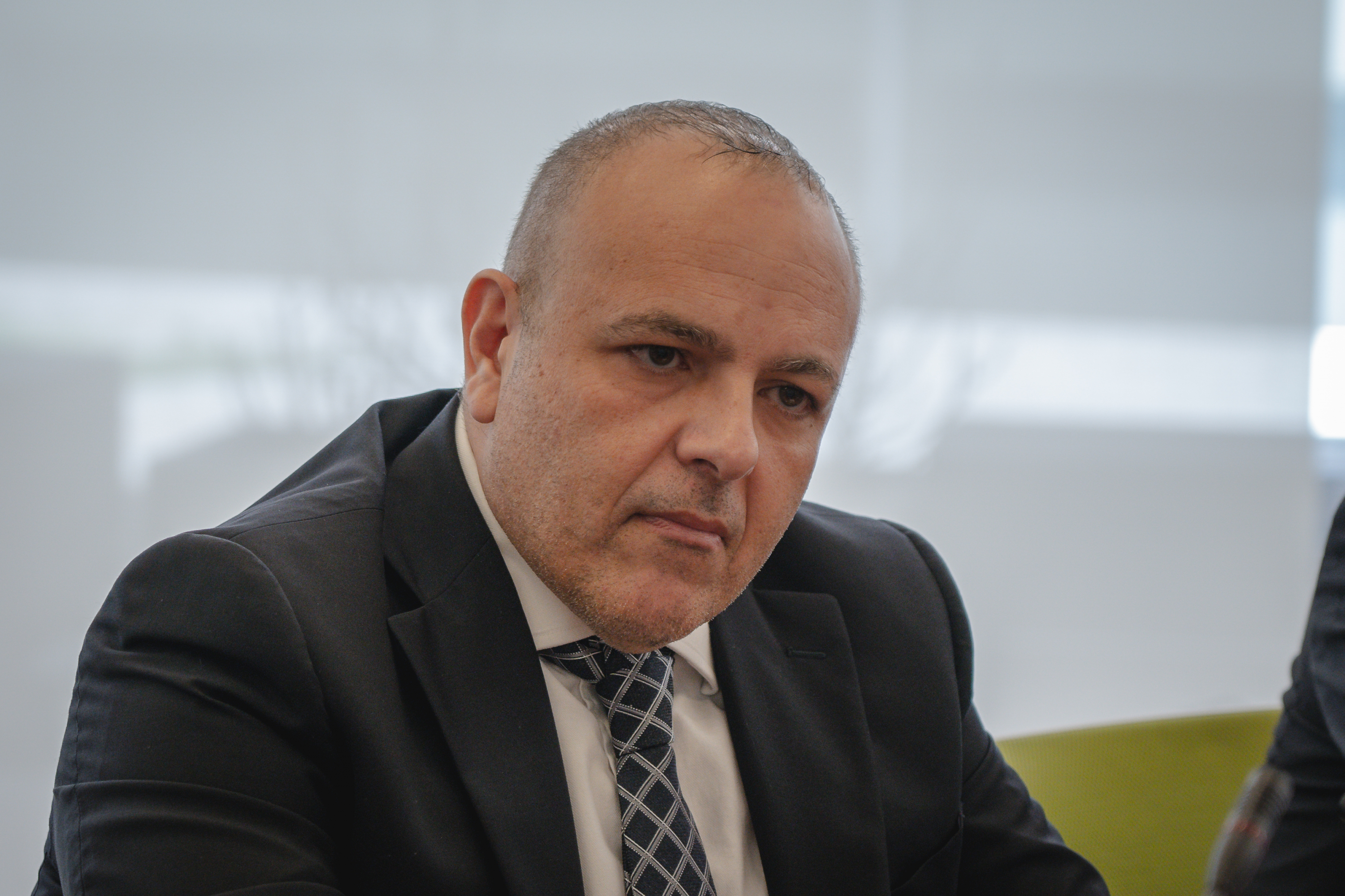
Former OPM Chief of Staff Keith Schembri (Photo: James Bianchi/MaltaToday)

The First Hall of the Civil Court, sitting in its constitutional jurisdiction, has dismissed a claim by former OPM chief of staff Keith Schembri, his father Alfio Schembri, Malcolm Scerri, and Robert Zammit, who argued that a blanket freezing order imposed on their assets breached their fundamental rights.
The order was issued when the four were charged in 2021 with money laundering, criminal conspiracy, fraud and forgery tied to the Allied Newspapers printing press deal. They, along with other individuals including Nexia BT’s Karl Cini and Brian Tonna, and former Allied directors Adrian Hillman and Vincent Buhagiar, have all pleaded not guilty.
Under the Prevention of Money Laundering Act, the freezing order allowed the men access to only €14,000 annually for living expenses. The plaintiffs claimed that, as the law does not permit a request to revoke such an order before criminal proceedings conclude, they were effectively being treated as guilty before judgment and deprived of the peaceful enjoyment of their property.
However, presiding judge Giovanni Grixti noted that the law provides an avenue to seek court authorisation for specific transactions, such as settling debts linked to contracts entered into in good faith before the order was made, or transferring property with judicial approval.
The court observed that these remedies had not been fully utilised. Schembri himself confirmed that he had not applied for such authorisations, while Zammit stated that requests he had made were granted.
Judge Grixti remarked that although freezing orders inevitably cause discomfort and cannot restore an individual to their previous financial position, they serve to prevent the potential concealment or disposal of assets suspected to derive from criminal activity. There was no evidence, the judge said, of a breach of fundamental rights.
He concluded that while the legislation does not provide a standard form of review, it does offer other exceptional mechanisms sufficient to safeguard constitutional rights.
Lawyers Edward Gatt and Mark Vassallo appeared for the plaintiffs. Lawyers Julian Farrugia and Yana Bonello represented the State Advocate.

Ħaley Xuereb is a fourth-year law student and is part-time court reporter for MaltaToday