


.jpg)


.jpeg)


UĦM warns against 'fragmentation' in Transport Malta industrial dispute
Union says row involves small group already covered by collective agreement, rejects claims dispute is about workers’ right to representation

5 February 2026, 12:22pm
Nicole Meilak
Nicole Meilak
1 min read
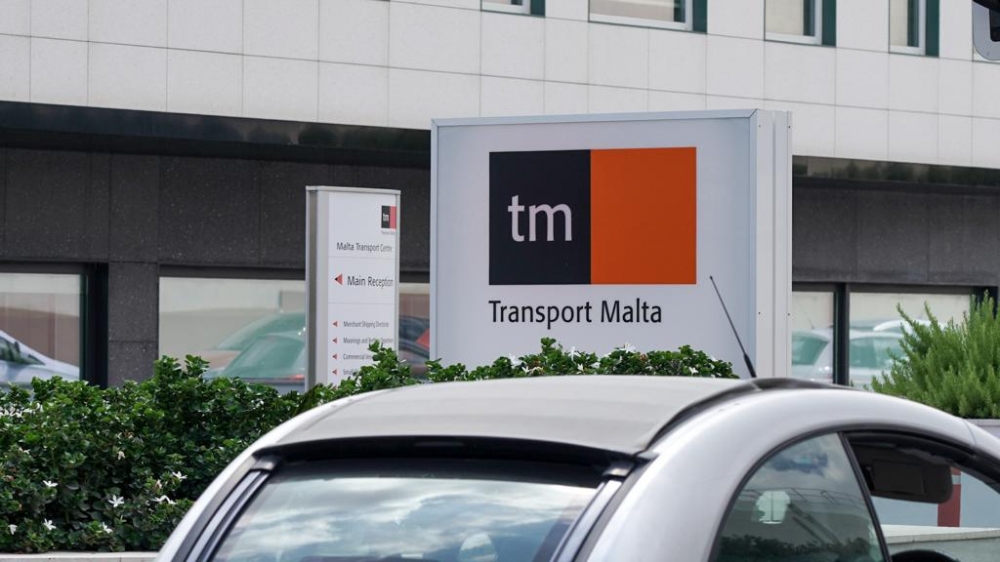
File photo (Photo: James Bianchi/MaltaToday)

UĦM Voice of the Workers has rejected claims that an industrial dispute at Transport Malta concerns union representation, insisting the issue relates instead to attempts to fragment an existing collective agreement covering hundreds of employees.
In a statement on Wednesday, the union said recent reporting contained “inaccuracies” about a dispute registered by the General Workers’ Union’s maritime and aviation section, clarifying that the disagreement involves a small section of driving examiners who are already covered by a collective agreement signed between UĦM and Transport Malta.
UĦM said the agreement establishes a single bargaining framework across the authority and stressed that all employees retain the right to choose their union freely, a right it said has never been contested.
According to the union, the dispute centres on a request for separate recognition of a subsection that already falls within an established bargaining unit. It argued that granting such recognition would effectively split an existing structure into multiple smaller units, which it described as unworkable in operational and legal terms.
“If every small group within a public entity were to demand separate recognition,” the union warned, Transport Malta and other public bodies could end up managing dozens of parallel collective agreements, leading to administrative inefficiency, inconsistency and legal uncertainty.
UĦM said that if this approach became national policy, it would seek equivalent recognition for specific sections in other entities where its members are organised, a move it said would risk widespread fragmentation of collective bargaining structures.
The union said it remains committed to dialogue and to preserving what it described as stable and equitable collective bargaining arrangements for all employees.

Nicole Meilak was deputy online editor at MaltaToday. She won the Most Promising Journalis...