


.jpg)


.jpeg)
.png)


Gozo’s population projected to hit 52,000 in 2042
Gozo’s total population is projected to increase from 40,191 in 2022 to 46,861 in 2032 to 51,766 in 2042, a new forecast is projecting.

17 October 2025, 5:59am
James Debono
James Debono
3 min read
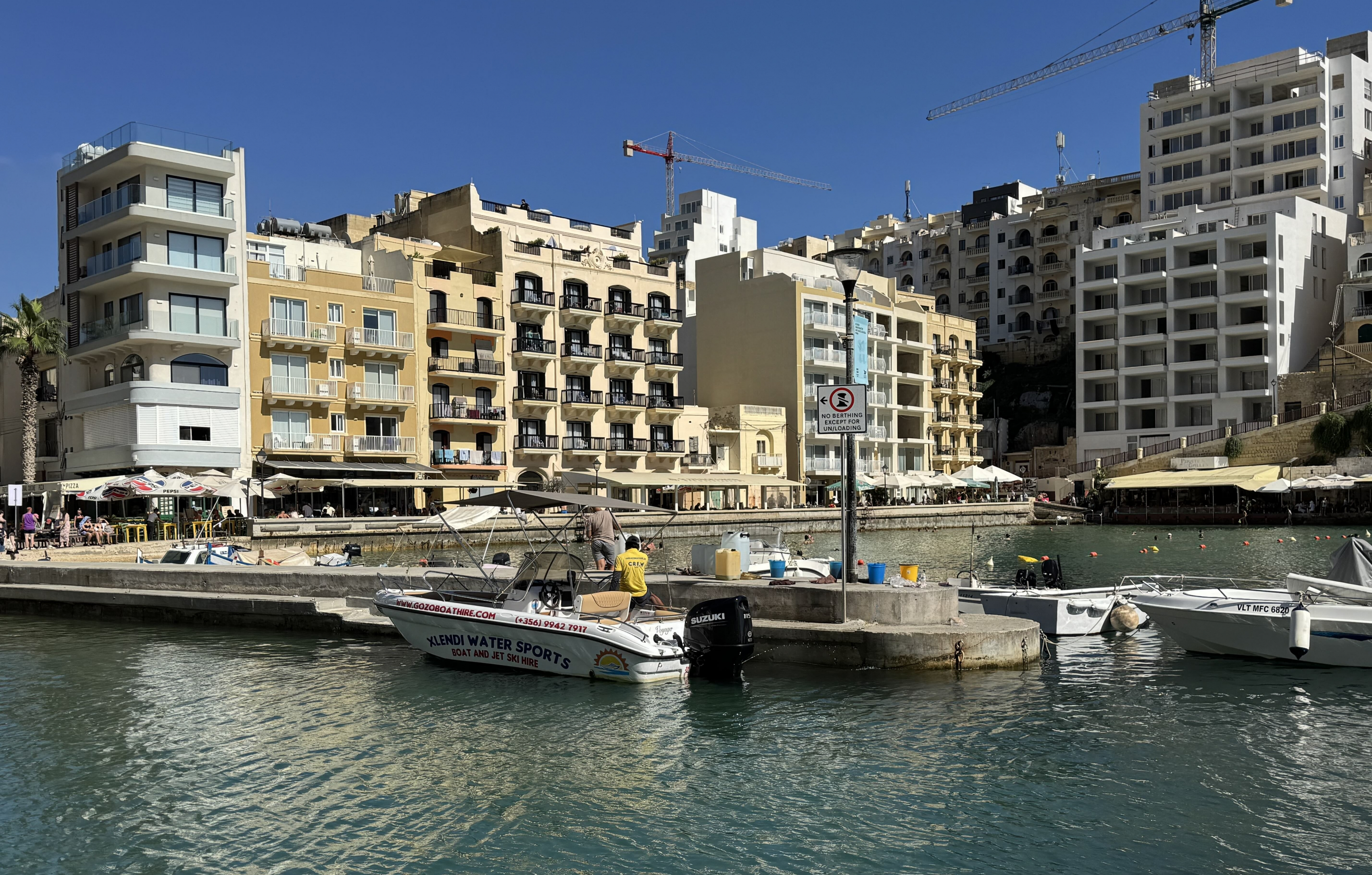
Xlendi is one of the localities that has experienced a building boom over the years. A new study projects that the housing stock in Gozo will increase from 25,270 in 2022 to 32,723 units by 2052. (Photo: Kurt Sansone/MaltaToday)

Gozo’s total population is projected to increase from 40,191 in 2022 to 46,861 in 2032 to 51,766 in 2042, a new forecast is projecting.
The population is then expected to remain stable in the next decade reaching 52,450 by 2052.
This forecast was made in a new study published by the Gozo Regional Development Authority which measures the impact of Gozo Regional Development Strategy on the island’s wellbeing Index. The assessment conducted by E-Cubed Consultants Ltd compares a ‘business as usual’ scenario with that resulting from implementing the strategy.
This growth is largely driven by the growth of the foreign resident population. The number of foreign residents is expected to more than double, increasing from 8,557 in 2022 to 13,938 in 2032 and 17,842 in 2042. But the number of foreigners is expected to remain stable in the following decade.
While the initial annual growth rate for foreign residents is projected to be high it is expected to diminish over the coming decades as the influx of foreign residents stabilises, reaching a growth rate close to zero by 2052, similar to the annual growth rate of the Gozitan population.
The number of housing stock units in Gozo is also projected to increase from 25,270 in 2022 to 32,723 units by 2052 under the Business-as-Usual (BAU) scenario. Under the implementation of the Gozo Regional Development Strategy, the housing stock is projected to increase to 33,051 units by 2052. Although the sustained population and housing growth is expected to increase pressure on the island’s resources and infrastructure, other factors like improved living standards and education as well as the electrification of the car fleet are expected to improve well-being.
Environmental pressures
The GRDS assigns Environmental Well-Being the highest weighting of 45%, reflecting the principle that “the economic development of Gozo is strongly conditioned by the functionality of society and the environment for it to be sustainable”.
However, several structural challenges remain largely impervious to strategic interventions.
Population and economic growth are also expected to lead to gradual increases in housing stock and construction activity, alongside a corresponding rise in waste generation. The cumulative volume of construction and demolition (C&D) waste generated since 2020 is projected to increase from 1,066 cubic metres in 2022 to 2,950 cubic metres by 2052.
The report warns that since this C&D waste “is not generally treated, exported or turned into energy; therefore, the increasing volume of this waste should raise an alarm”. The most severe environmental issue is the projected long-term decline in the Water Quality Index, expected to fall from 100 in 2022 to 73 by 2052.
The strategy’s measures yield no incremental improvement for water quality over the ‘do-nothing’ scenario. This reflects fixed assumptions in the model, such as the estimate that “water demand per resident… is set at an average of 62 cubic metres”, which is “assumed to remain constant in future years”. The model also assumes that the proportion of water derived from reverse osmosis will “remain constant” at 41%.
Gains in wellbeing
Despite these environmental constraints, the full implementation of the GRDS is projected to lead to substantial long-term improvements in overall quality of life. The Overall Wellbeing Index is forecast to increase by 41% by 2052 compared to the 2022 base year. The benefits specifically attributable to the strategy’s implementation are projected to reach 13.01 percentage points above the business-as-usual scenario by 2052.
This improvement is driven by a reduction in fossil fuel usage and an increase in renewable energy sources, particularly resulting from measures such as promoting sustainable vehicular mobility through the 100% electrification of the car fleet by 2052. Achieving this will require “higher short-term expenditure through investments” in areas like alternative transportation and charging infrastructure.
These gains are also driven by social advancements, including projected “reductions in the percentage of persons at risk of poverty and early school leavers”. The study confirms that investing in proactive environmental protection policies “allows the economy to avoid expenditure on environmental remediation, resulting in higher socio-economic wellbeing”, ensuring the strategy ultimately yields “higher economic dividends in the future”.

James Debono is MaltaToday's chief reporter on environment, planning and land use issues, ...